This article contains affiliate links. We may earn a commission at no extra cost to you if you make a purchase through our links.
The Queue at the Mother Church
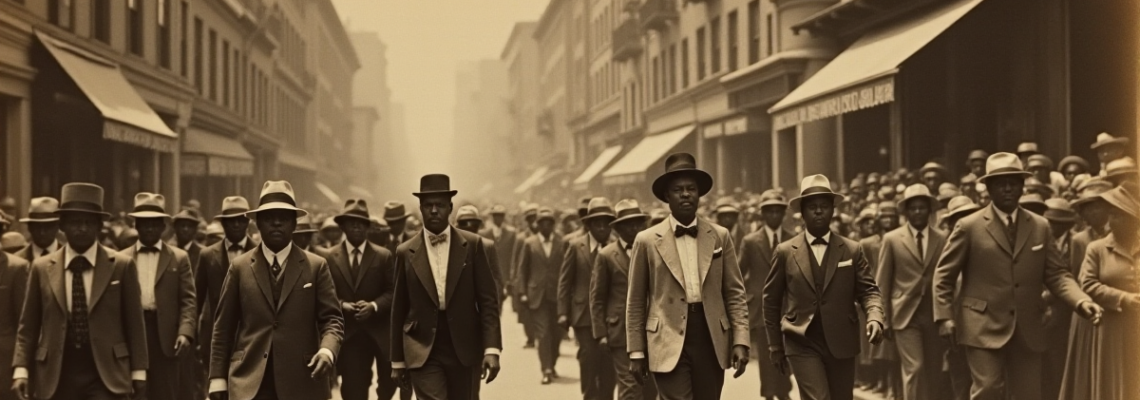
It was just after 7 PM on a brisk Sunday evening in Nashville, March 25, 1962. The familiar, twangy sounds of a steel guitar drifted from the brick facade of the Ryman Auditorium—the “Mother Church of Country Music.” The line for the Grand Ole Opry snaked down 5th Avenue North, a mix of tourists in bolo ties, local families, and die-hard fans. But halfway down that line, a group of twelve young Black men and women stood silently, their posture rigid, their expressions calm but resolute. They were students from Fisk University and Tennessee A&I State University, dressed in their Sunday best. They had not come to listen to Roy Acuff or Minnie Pearl. They had come to buy a ticket.
For decades, the Opry’s policy had been an open secret in the segregated South. Black performers like Charley Pride were still years from the stage. Black audiences were permitted in the segregated balcony—the “colored” section—accessed by a separate, shabby side entrance. But the main box office, under the gleaming marquee, was for whites only. To purchase a balcony ticket, a Black patron had to go around back, to a small, unmarked window. On this night, the students, led by a soft-spoken Fisk philosophy major named James Lawson Jr. (no relation to the more famous Nashville activist), ignored that window. They took their place in the main line, a silent, living challenge to the unwritten law.
🛡️ Browse Safely with Surfshark
VPN + Antivirus + Ad Blocker — one subscription, total protection
Get Surfshark Deal →The Unwritten Law of the Opry
By 1962, Nashville’s lunch counters had been desegregated for nearly two years, following the disciplined sit-ins of 1960. Downtown department stores had fallen. But the Grand Ole Opry, a Nashville institution broadcast nationwide on WSM radio, remained a bastion of a fading order. Its management, led by WSM president Jack DeWitt, argued it was merely giving a Southern audience what it wanted. The Opry was family entertainment, and tradition was its brand. To challenge the Opry was to challenge the heart of a certain mythic, white Americana.
“We weren’t trying to tear down the Opry,” recalled Eleanor Ramsey, one of the student protesters, in a later interview. “We loved the music. My daddy listened to it on the radio every Saturday night. We just wanted to walk through the same front door, buy a ticket from the same window, and sit where we could see the stage properly. It was about dignity as much as access.”
The students had trained for this. They were part of a smaller, less-heralded wing of the Nashville Student Movement, focusing on cultural spaces after the major commercial victories. They role-played, preparing for insults, for violence, for arrest. Their weapon was stillness and quiet demand.
A Quiet Confrontation at the Window
As the line inched forward, whispers rippled through the crowd. Some white patrons looked away, embarrassed. Others glared. A man in a cowboy hat muttered, “This ain’t the place for this.” The students held their ground. When James Lawson Jr. reached the box office window, the elderly white ticket seller, a woman named Miss Agnes, peered at him through the glass, her expression a mask of flustered confusion.
“Balcony tickets are around back,” she said, her voice barely audible through the slot.
“I would like to purchase one ticket for tonight’s performance, please,” Lawson replied, his voice calm and clear. He slid a five-dollar bill through the opening.
Miss Agnes looked past him, seeking a manager. A hush had fallen over the immediate crowd. For a full minute, nothing happened. The transaction, a simple economic exchange performed countless times a night, had become a high-stakes standoff. Behind the scenes, a floor manager had been summoned. The protocol for this scenario did not exist. The students had calculated correctly: a public, violent ejection of well-dressed, polite college students at the Opry’s main entrance, potentially during a live radio broadcast, was a public relations nightmare the Opry could not afford.
“We knew the Opry’s image was its currency. We were betting that in 1962, even in Nashville, they valued that image more than they valued that particular tradition.” – James Lawson Jr.
The floor manager, a man named Bud Wendell, appeared. He assessed the silent line of Black students and the tense white crowd. He leaned down and said something to Miss Agnes. With a look of profound unease, she took Lawson’s money, handed him a ticket and change, and pushed it back through the slot. It was a balcony ticket, but it had been sold at the front window. One by one, the eleven students behind him did the same. They did not attempt to enter the auditorium through the front lobby; they took their tickets and dispersed, their point made. The line, and the show, went on.
The Ripple in the Pond
The event made no headlines the next day. The Nashville Tennessean did not cover it. There was no official announcement from WSM or the Opry. But word spread through Nashville’s Black community and the activist network. The “Opry stand” was a tactical masterpiece—a breach in the wall without a single arrest or headline screaming “Integration.”
Within weeks, the separate ticket window was quietly closed. The policy, never formally rescinded, simply evaporated. Black patrons began buying tickets at the main box office without incident. The balcony remained de facto segregated for a season more out of social habit than enforced rule, but the critical barrier—the public humiliation of a separate and unequal purchasing experience—had been dismantled.
The march of history soon overshadowed the event. That fall, James Meredith integrated Ole Miss amidst a riot. The following year, Birmingham erupted, and the March on Washington captured the world’s attention. The quiet victory of March 25, 1962, faded from memory.
Why This Matters Today
The story of the Opry protest is a lesson in the many battlefields of civil rights. The movement wasn’t just about buses, lunch counters, and voting booths; it was about the entire landscape of human dignity—including where and how you could buy a ticket to hear music. It targeted the subtle, humiliating rituals of segregation that enforced a second-class status just as powerfully as any law.
It also reminds us that cultural institutions are never neutral. They are shaped by and reinforce the values of their time. The Grand Ole Opry, an engine of American culture, had upheld a Southern racial code. The students’ action forced it to choose between its tradition and its national reputation, between segregation and commerce. In the end, commerce—and a sliver of conscience—won.
Today, as we continue to debate representation, access, and equity in every corner of our culture—from concert halls to boardrooms to streaming algorithms—the silent stand at the Ryman box office resonates. It proves that change often comes not only from loud, dramatic clashes but from small, disciplined groups of people who simply, and courageously, decide to stand in the wrong line until it becomes the right one. On this day in history, March 25, 1962, they bought more than a ticket; they purchased a piece of a shared front door.
🛡️ Browse Safely with Surfshark
VPN + Antivirus + Ad Blocker — one subscription, total protection
Get Surfshark Deal →🛡️ Total Device Protection
Surfshark Antivirus — lightweight, real-time threat detection on all devices
Get Surfshark Antivirus →