This article contains affiliate links. We may earn a commission at no extra cost to you if you make a purchase through our links.
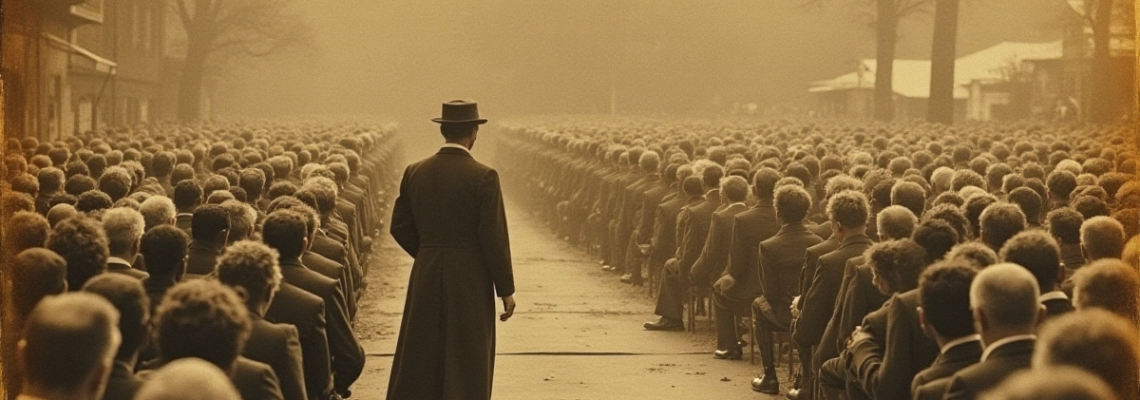
The air inside the small chapel of the Hospital de la Divina Providencia in San Salvador was thick, heavy with incense and the collective breath of a frightened congregation. It was Sunday, March 23, 1980. Archbishop Óscar Arnulfo Romero, a slight man with gentle eyes behind thick glasses, adjusted the microphone. His voice, broadcast across the nation by the Catholic radio station YSAX, was a familiar sound—a steady, moral pulse in a country whose heart was failing. But today, his tone was different. It carried a weight of finality, a prophetic urgency that cut through the static. He was speaking directly to the men holding the guns.
“Brothers,” he implored, his words measured yet trembling with conviction, “you are part of our own people. You kill your own brother peasants… No soldier is obliged to obey an order that is contrary to the will of God… In the name of God, and in the name of this suffering people, whose laments rise to heaven each day more tumultuous, I beg you, I ask you, I order you in the name of God: Stop the repression!”
🔒 Protect Your Privacy Online
Get up to 80% off NordVPN — the #1 rated VPN service
Get NordVPN Deal →“In the name of God, and in the name of this suffering people… I beg you, I ask you, I order you in the name of God: Stop the repression!”
The plea was not just a sermon; it was a direct, public subversion of the state’s authority. For the officers of the Salvadoran armed forces and the shadowy death squads linked to them, it was an act of war. Romero had drawn a line in the sand of a nation already soaked in blood, and he had done it on live radio. He knew the stakes. As he finished the homily, he is said to have turned to a visiting priest and whispered, “You know, they will kill me for this.”
The Making of a Prophet
To understand the seismic risk of that Sunday sermon, one must understand the transformation of Óscar Romero. Appointed archbishop in 1977, he was seen by the powerful oligarchy and the military junta as a safe choice—a conservative, bookish man who wouldn’t rock the boat. El Salvador was a tinderbox: a tiny country dominated by the “Fourteen Families” who owned most of the land, while the vast majority of campesinos lived in crushing poverty. Any whisper of land reform or workers’ rights was met with brutal repression by the U.S.-backed government. Death squads with names like the White Warrior Union (Union Guerrera Blanca) operated with impunity, dumping mutilated bodies on roadsides as a warning.
Romero’s conversion began almost immediately after his appointment. On March 12, 1977, his close friend, the progressive Jesuit priest Rutilio Grande, was assassinated by a death squad for organizing peasants. Grande’s murder shattered Romero’s worldview. He began to visit slums and rural villages, listening to the stories of the poor. He saw the bullet-riddled corpses. The abstract “political violence” became the murdered bodies of his flock. His weekly homilies, broadcast nationwide, became a unique chronicle of the terror—naming the disappeared, condemning the killers, and pleading for a path of justice over revolution.
The Final Straw: A Plea to the Conscience of Soldiers
By March 1980, the conflict was escalating toward civil war. Leftist guerrilla groups, like the Farabundo Martí National Liberation Front (FMLN), were gaining strength. The government’s response was a scorched-earth campaign in the countryside. The week before Romero’s fateful homily had been particularly bloody. He had just presided over the funeral of a young man gunned down by security forces.
His March 23 address was a last, desperate attempt to fracture the machinery of death from within. He didn’t appeal to the generals or the junta president, Colonel Jaime Abdul Gutiérrez. He appealed directly to the low-ranking soldiers—the conscripts and sergeants—many of whom were from the same poor villages they were terrorizing. He appealed to their conscience, invoking a higher law than their commanders’ orders. This was profoundly dangerous. It threatened military discipline. It offered a theological justification for mutiny. To the high command and the oligarchy, Romero was no longer a nuisance; he was a strategic threat, inciting insubordination in the ranks.
The Bullet and the Legacy
What happened next is etched in history. The very next day, March 24, Romero celebrated a memorial mass in the same small chapel. As he raised the chalice during the consecration, a single shot from a red Volkswagen parked outside rang out. The bullet pierced his heart. He fell at the altar, his blood mingling with the sacramental wine. The assassin, linked to the death squad leader Major Roberto d’Aubuisson, escaped. The killing sent shockwaves around the world, but it did not stop the repression. Instead, it ignited a 12-year civil war that would claim over 75,000 lives.
Romero’s death, however, made him immortal. In death, his voice grew louder. He became “San Romero de América,” a rallying cry for the oppressed and a thorn in the side of dictators. His humble radio sermons, collected and disseminated, became foundational texts for liberation theology and human rights movements across Latin America and beyond. He was a martyr who demonstrated the power of peaceful, yet fearless, speech against absolute tyranny.
Why This Matters Today
On this day in history, March 23, we remember not just a speech, but a moment of profound moral clarity in a fog of violence. Romero’s story is a timeless lesson in the courage of speaking truth to power, especially when that power holds all the guns. He chose to address the individual conscience within the system, believing that even the smallest crack of doubt in a soldier’s mind could be more powerful than a guerrilla’s bullet.
In an era of deep global polarization, where discourse is often reduced to shouting across digital divides, Romero’s example is starkly relevant. He did not take up arms; he took up a microphone. He didn’t dehumanize the soldiers; he appealed to their shared humanity. His weapon was unwavering, public, and specific testimony—naming crimes and calling perpetrators to account, all while advocating for peace. His legacy challenges us to consider where we draw our own lines, how we use our own voices against injustice, and what price we are willing to pay for speaking a difficult truth. The martyr of San Salvador reminds us that sometimes, the most revolutionary act is not a shout of defiance, but a pastoral plea that begins, simply, “Brothers…”
🔒 Protect Your Privacy Online
Get up to 80% off NordVPN — the #1 rated VPN service
Get NordVPN Deal →🔒 Stop Reusing Passwords
NordPass generates and stores strong passwords across all your devices.
Try NordPass Free →